





Jan. 01, 1970
When a retailer reorders wholesale printed apparel, customers expect the second shipment to look identical to the first. A slightly darker black, a warmer red, or a logo that appears 1 mm off-center can make products look mismatched on the same sales rack. This problem usually begins with uncontrolled variables in fabric composition, ink formulation, curing temperature, screen or digital-file settings, and color measurement. If the difference is ignored, the consequences extend beyond one rejected carton: retailers may lose consumer trust, delay product launches, demand rework, or move future orders to another supplier. For buyers sourcing wholesale digital printing clothing, batch color consistency is therefore not a cosmetic preference—it is a purchasing, branding, and supply-chain requirement.
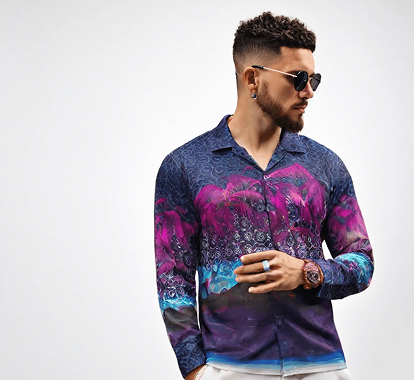
At Meninthemirror, we treat repeat-order color matching as a controlled manufacturing process. Our goal is to help brands receive wholesale printed apparel that remains visually consistent across production lots, garment colors, printing methods, and delivery schedules.
Color inconsistency is rarely caused by one careless operator. It is usually the result of several small variations occurring at different stages of production.
Cotton, polyester, cotton-polyester blends, fleece, and recycled fibers have different surface structures and moisture-retention properties. Even two fabrics listed under the same composition can vary by yarn count, pretreatment, whiteness, and finishing chemistry.
For example, a dark pigment may appear denser on a tightly knitted cotton jersey than on a brushed fleece. A white underbase may also change the appearance of a digital print on black fabric. If the fabric lot changes between the original order and the repeat order, the same artwork and ink recipe may produce a different visual result.
In screen printing, color can shift because of ink viscosity, mesh count, squeegee pressure, flash-drying temperature, and screen tension. In direct-to-garment or other digital printing processes, pretreatment volume, printhead condition, humidity, curing time, and curing temperature are critical.
A small change in curing can influence:
Repeat wholesale orders often fail when a buyer sends a compressed image, an outdated artwork file, or a screenshot rather than the approved production file. RGB and CMYK conversions can produce different values, while unprofiled monitors display colors inconsistently.
We recommend maintaining a controlled “golden sample” that includes the approved garment, print strike-off, artwork version, color references, and production notes. A digital file alone cannot fully represent how a color will appear on a particular textile.
Reliable wholesale digital printing clothing requires documented checkpoints rather than visual judgment alone. Our production approach combines color management, physical samples, process records, and final inspection.
Before bulk production, we confirm the target using a physical approval sample and, where required, a spectrophotometer reading. Color difference can be evaluated using CIELAB values and ΔE calculations in accordance with ASTM D2244 or DIN 6174.
Depending on the product, fabric, and customer tolerance, a buyer may specify a ΔE00 target such as ≤1.0 for highly controlled branding applications or a wider commercial tolerance such as ≤2.0–3.0. The correct tolerance should be agreed before production because visual expectations differ by color, material, and lighting environment.
Once the sample is approved, we record the relevant manufacturing parameters, including:
This production history makes repeat orders more predictable. If a shade changes, we can trace whether the cause is fabric, pretreatment, ink, equipment, or environmental conditions instead of relying on guesswork.
For color-sensitive wholesale printed apparel, we recommend a three-stage approval process:
Meninthemirror can organize 100% inspection for specified quality-critical orders, together with documented sampling for larger production runs. Our team also aims to provide a 24-hour response to reported production questions so that a color deviation can be contained before it affects the full shipment.
Color matching should be supported by testing, not only by statements such as “looks similar.” The following standards are useful references for international apparel programs.
| Quality area | Relevant standard or method | Why it matters to repeat orders |
|---|---|---|
| Instrumental color difference | ASTM D2244; DIN 6174 | Provides a numerical method for evaluating color variation. |
| Colorfastness to laundering | AATCC 61; ISO 105-C06 | Helps determine whether washing changes the print or garment shade. |
| Colorfastness to light | AATCC 16.3; ISO 105-B02 | Important for graphics exposed to retail lighting or sunlight. |
| Print adhesion and durability | Customer-specific test protocol, wash testing, and visual inspection | Confirms that the approved color remains acceptable after handling and washing. |
Standards do not eliminate every visual difference. They create a shared technical language between the buyer, factory, quality team, and logistics department. The purchase order should also state the approved color reference, tolerance, testing method, and correction procedure.
For a fashion brand, color is part of the product identity. A repeat customer may reorder the same logo hoodie, promotional T-shirt, or seasonal graphic because the previous batch met expectations. If the replacement batch looks different, the buyer may be unable to sell both batches together.
The commercial impact can include:
These costs are particularly serious for private-label programs, franchise uniforms, sports merchandise, and corporate apparel, where visual identity must remain stable across multiple locations and seasons.
Consider a retailer ordering 5,000 printed T-shirts at a wholesale price of $6 per unit. If a color mismatch causes 12% of the shipment to require rework, 600 garments are affected, representing $3,600 in product value before labor, reverse logistics, inspection, and replacement freight are calculated.
That example is not a universal industry average; it illustrates how a seemingly minor color issue can become a measurable commercial loss. A controlled approval sample and documented batch inspection are usually less expensive than correcting finished inventory.
Some buyers accept a loose tolerance during an initial order because they are testing a market. However, business priorities often change after a product becomes successful. The brand may expand into department stores, add regional distributors, or require the same artwork for several years.
Without a repeatable color-control system, growth increases exposure to risk:
Ignoring consistency can also create a false sense of security. A batch may look acceptable under warehouse lighting but show an obvious difference under daylight or retail LED lighting. For this reason, color evaluation should use consistent illumination and, where necessary, instrumental measurement.
We recommend that buyers include the following requirements in their technical package and purchase order:
At Meninthemirror, these controls can be adapted for wholesale digital printing clothing, screen-printed garments, private-label collections, promotional apparel, and repeat branded programs. The most effective quality system is the one documented before bulk production begins.
Batch color consistency is critical because repeat wholesale orders are judged against an existing customer experience. A garment that was acceptable in isolation may still fail when placed beside the approved first batch. By controlling fabric, artwork, ink, machine settings, curing, measurement, and inspection, brands can reduce rework and protect their retail reputation.
We encourage buyers to discuss color tolerance, testing standards, inspection coverage, and retained samples with Meninthemirror before confirming production. Whether you are sourcing wholesale printed apparel for a growing fashion label or ordering wholesale digital printing clothing for a long-term retail program, a measurable color-control plan turns repeat orders from a risk into a reliable advantage.
Color consistency is not an optional finishing detail—it is a core specification for professional wholesale printed apparel. The causes of variation are technical and manageable, but only when they are identified early and monitored throughout production. With approved samples, ASTM D2244 or DIN 6174 color evaluation, AATCC or ISO wash testing, 100% inspection when required, precision controls to 0.01 mm, and a 24-hour response process, Meninthemirror helps buyers protect quality across every repeat order. Contact Meninthemirror before your next production run and establish the color standard that your brand, retailers, and customers can trust.
Latest News

Trends in Premium Packaging for Wholesale Men's Shirts
For a retailer searching for a reliable men's shirts wholesale supplier, packaging is no longer an afterthought. A well-designed package can protect collars, reduce returns caused by crushing, and make a $25 shirt look appropriate for a premium store or online order. The strongest programs now combine premium packaging for wholesale men's shirts, sustainable shirt packaging wholesale, and custom
Jan. 01, 1970

Placement Print vs All-Over Print for Men's Graphic Shirts
Choosing between a placement print and an all-over design becomes difficult when a shopper is comparing the best placement print graphic shirts for men, all-over print men's shirts for streetwear, or a custom stylish printed shirt for men. A reliable men's graphic shirt supplier must explain more than appearance: screen printing affects ink thickness, sublimation printing affects color
Jan. 01, 1970

Stock Fabric vs Custom-Dyed Fabric for Private Label T-Shirts
For a t shirt manufacturer private label project, the choice between stock fabric and custom-dyed fabric affects more than color. It influences minimum order quantity, production speed, shade consistency, fabric performance, cash flow, and the success of future reorders. Meninthemirror helps brands evaluate these factors before committing to a fabric program.
Jan. 01, 1970
Let's Take This Forward!
Feel free to reach out for any queries. We would be happy to help!

