




NEWS
Jun. 22, 2026
Share
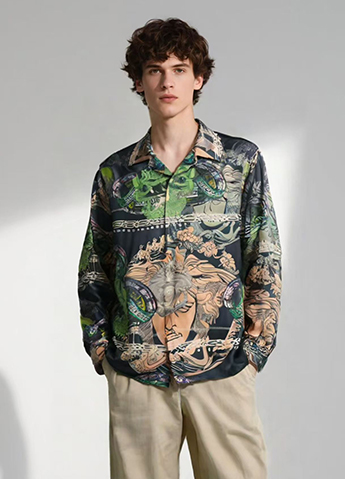
The custom apparel market continues to grow rapidly, making it an attractive opportunity for entrepreneurs. If you're wondering how to start a print shirt business, understanding the right products, printing technologies, target customers, and supplier partnerships is essential. From streetwear brands to promotional merchandise and corporate uniforms, print shirts have become a high-demand product with strong profit potential.
Industry data shows that custom apparel accounts for a growing segment of the fashion and promotional products market. Small businesses and independent creators increasingly rely on custom printed shirts, while e-commerce and print-on-demand services have lowered the barriers to entry.
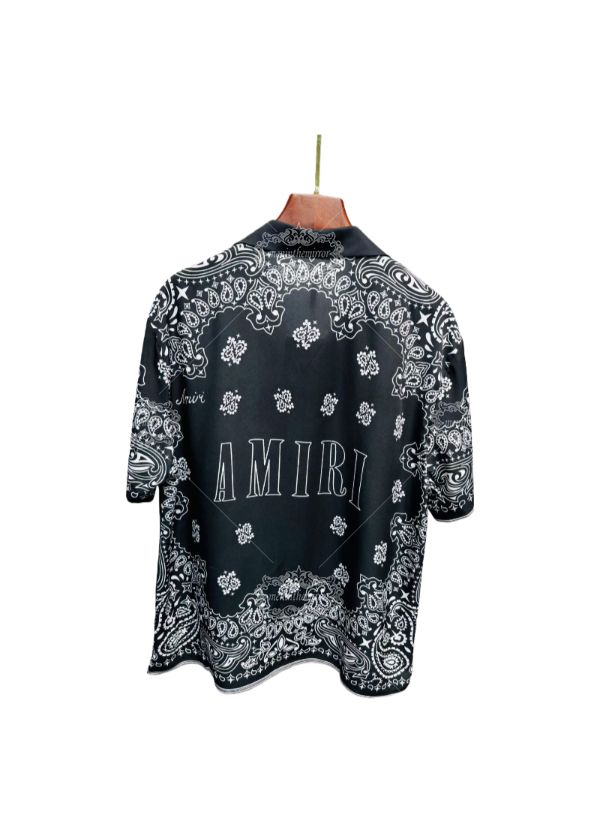
Starting a print shirt business offers several advantages:
Print shirts are used by clothing brands, sports teams, schools, events, music bands, restaurants, and companies, creating a broad customer base.
Before investing in equipment or inventory, decide which model best fits your goals.
Suitable for startups with limited budgets.
Benefits include:
Ideal for wholesalers and growing brands.
Advantages include:
Many successful clothing brands work with garment manufacturers to produce:
This approach helps establish long-term brand identity.
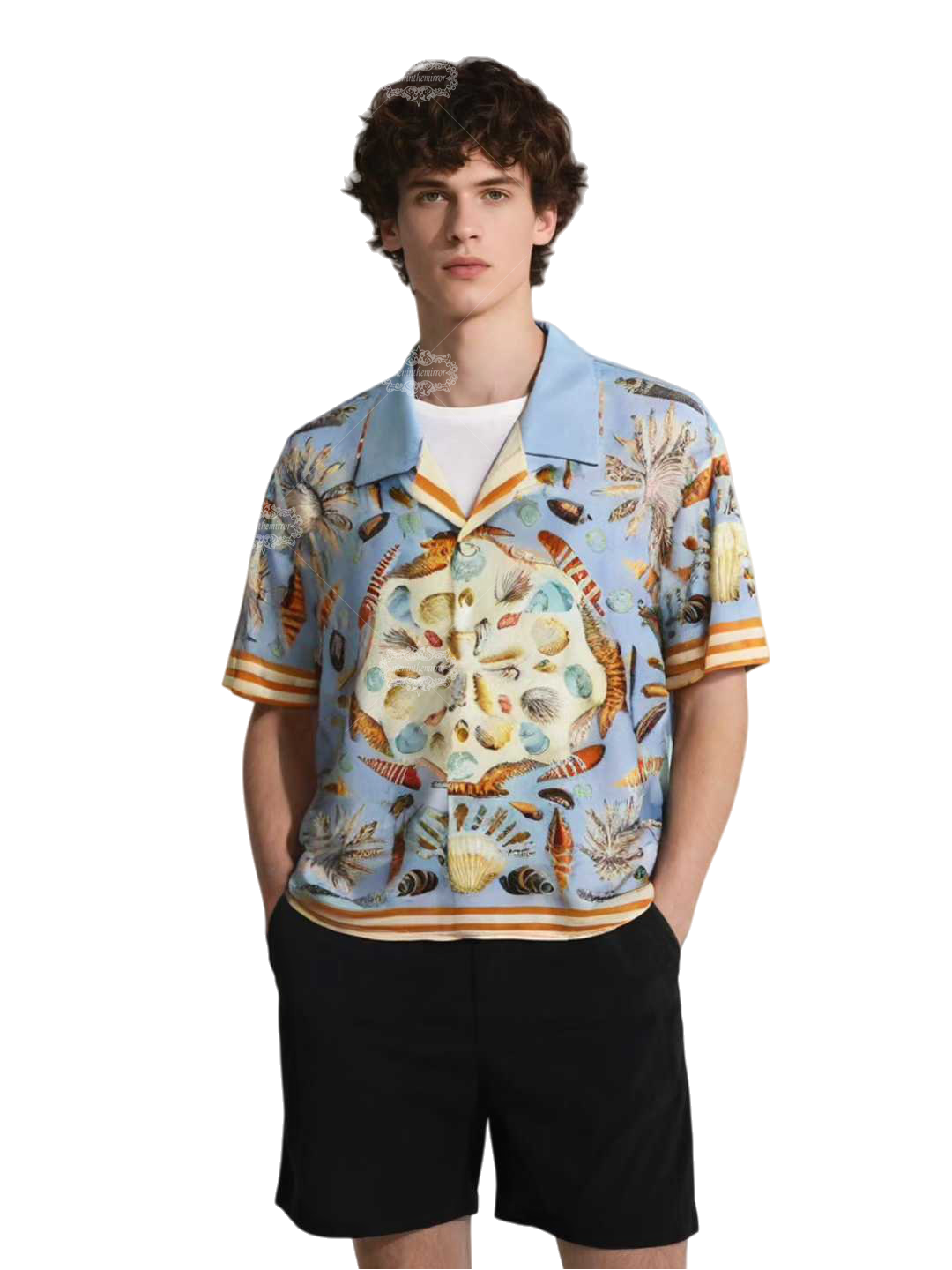
Popular products include:
The best-selling category for fashion brands and streetwear companies.
Popular among Gen Z consumers and casual fashion markets.
Suitable for restaurants, retail chains, and service industries.
Widely used for exhibitions, sports events, and marketing campaigns.
Ideal for clubs, schools, and communities.
These products can be produced using premium cotton, polyester blends, and heavyweight fabrics.
Choosing the right process is crucial for product quality.
Best for bulk orders and durable designs.
Suitable for vibrant colors and detailed graphics.
Perfect for small orders and complex artwork.
Cost-effective for personalized products.
Widely used for sportswear and polyester garments.
Modern production lines often combine automatic heat press systems, digital printers, and color management software to ensure consistent quality.
A successful print shirt business usually serves several industries.
Streetwear labels and private-label apparel companies require custom graphic T-shirts and oversized garments.
Businesses need company uniforms and promotional products.
Customized shirts strengthen identity and team spirit.
Concerts, exhibitions, and festivals generate strong demand for branded apparel.
Amazon, Shopify, Etsy, and independent websites continue driving online apparel sales.
Strong branding creates customer loyalty.
Consider:
These elements increase perceived value and differentiate your products.
Startup costs vary depending on the business model.
Typical expenses include:
Many entrepreneurs start with less than $1,000 through print-on-demand platforms, while larger operations invest in screen printing and bulk production.
Popular products with strong market demand include:
These products serve fashion brands, promotional campaigns, schools, and corporate customers.
Recent market observations indicate:
Businesses that combine quality products with strong branding often achieve better customer retention and long-term growth.
You can start with a few hundred dollars using print-on-demand services, while traditional production requires a larger investment.
Screen printing is ideal for bulk orders, while DTF and DTG printing are better for small quantities and detailed artwork.
Yes. Many entrepreneurs start with online stores and outsource production.
Cotton and cotton-poly blends remain the most popular choices because of comfort and print quality.
Yes. Low inventory costs and online sales channels make print-on-demand a popular business model.
Learning how to start a print shirt business requires more than simply printing designs. Success depends on choosing the right products, understanding printing technologies, targeting profitable markets, and building a strong brand. Whether you focus on graphic T-shirts, promotional apparel, or private-label clothing, quality and consistency remain the keys to long-term growth.
For custom apparel solutions and wholesale inquiries, please contact us:
Email:
Our team provides support for custom printed shirts, OEM apparel, private-label clothing, and bulk production services.
Latest News
How To Start Private Label Clothing Brand?
A private label clothing brand is a fashion business model where a company creates its own clothing designs and sells products under its own brand name, while production is handled by a professional manufacturer.
Jul. 10, 2026
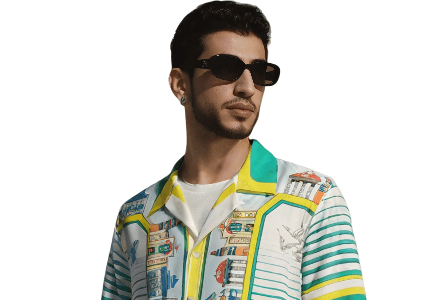
How to Style Men's Print Shirts?
As fashion trends continue to evolve, Men Print Shirt collections have become a popular choice for retailers, fashion brands, wholesalers, and apparel distributors.
Jul. 03, 2026
Men Check Shirt Complete Guide
The Men Check Shirt remains one of the most popular and versatile garments in the global apparel market. From casual wear and workwear to fashion retail and corporate uniforms, check shirts continue to attract consumers because of their timeless design, comfort, and adaptability.
Jun. 25, 2026
Let's Take This Forward!
Feel free to reach out for any queries. We would be happy to help!


